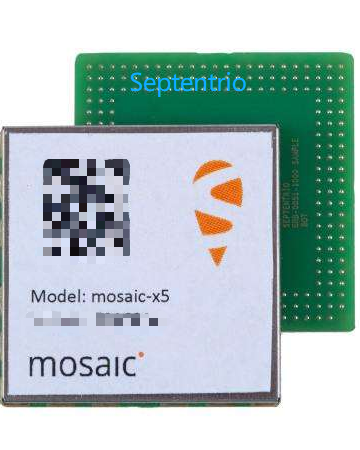
Septentrio Mosaic-X5: Resilient GNSS Receiver for Inspection Drones

part-00232-1853(1)
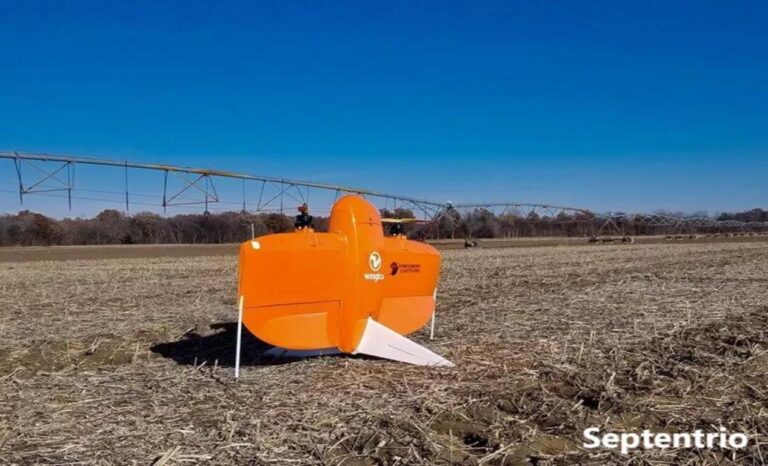
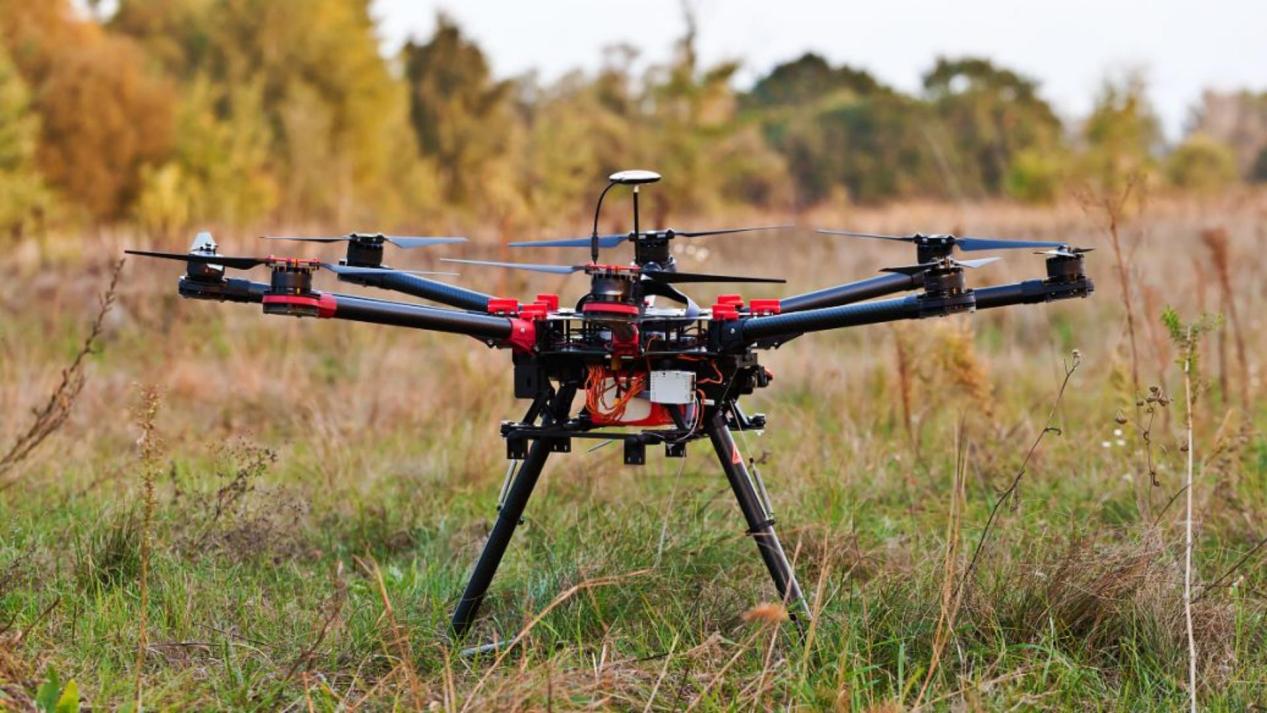
Image courtesy of © Septentrio

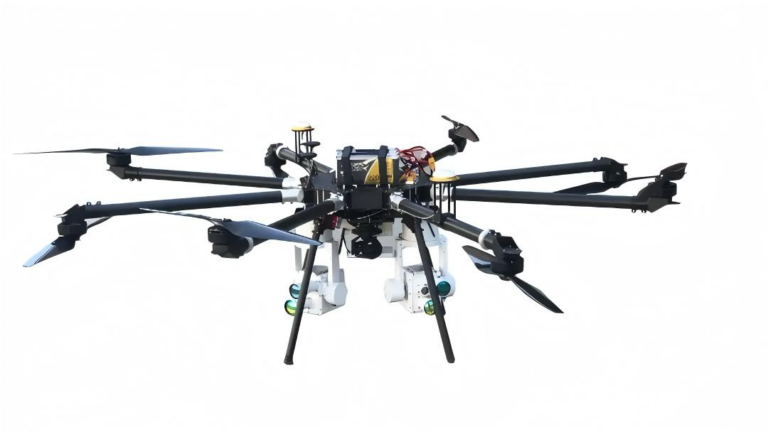
Infrastructure inspection—spanning power grids, pipelines, bridges, and communication towers—is undergoing a fundamental shift. Drones have evolved from novel data collectors to indispensable tools for predictive maintenance, safety enhancement, and asset management. However, the very environments housing this critical infrastructure often pose the greatest threats to drone navigation: intense electromagnetic interference, physical obstructions, and the ever-present risk of signal manipulation. Success in this high-stakes domain is no longer solely about a drone’s camera or flight time; it is fundamentally about the resilience and integrity of its navigation system. The Septentrio mosaic-X5, a purpose-built Resilient GNSS receiver, provides the hardened positioning core that transforms inspection drones from vulnerable data-gathering platforms into reliable, autonomous inspection assets capable of operating with confidence in the most demanding signal environments.

Navigating the Hostile Frontier: GNSS Challenges in Infrastructure Corridors

Infrastructure inspection pushes drones to their operational limits, exposing the severe shortcomings of conventional drone GPS or standard gps modules:

Pervasive Electromagnetic Pollution: High-voltage power lines emit powerful, broadband electromagnetic fields that act as potent, unintentional GPS jammers. Substations, industrial facilities, and communication masts generate complex RF noise that can saturate and blind standard receivers.

The Spoofing Threat to Critical Assets: Malicious GNSS spoofing represents a severe security risk. A drone inspecting a pipeline or railway could be subtly spoofed off-course, potentially crashing into the asset it is meant to inspect or being captured for intellectual property theft.

Precision Mandates for Proximity Operations: Inspecting a crack in a turbine blade or a corroded bolt on a transmission tower requires the drone to position and hold with centimeter-level steadiness, often within meters of the structure. This demands surveying GPS grade accuracy in real-time.

Data Integrity for Actionable Insights: A thermal anomaly on a transformer is only useful if its location is known with absolute precision. Every image and sensor reading must be geotagged with unwavering accuracy to feed into Geographic Information Systems and asset management platforms.

The Septentrio Edge: Engineering a Receiver for the Real World

The Septentrio mosaic-X5 distinguishes itself through a systems-level approach to reliability, integrating hardware robustness, advanced software, and signal diversity to create an unshakeable positioning foundation.

The AIM+ Technology Suite: An Active Defense System

At the core of the mosaic-X5 is Septentrio’s patented AIM+ (Advanced Interference Mitigation) technology, providing both Anti Jamming GNSS and anti-spoofing capabilities.

Against Interference: AIM+ operates like an intelligent, adaptive filter. Its onboard spectrum analyzer continuously monitors the RF environment. Upon detecting interference—from simple continuous waves to complex sweeping chirp jammers—it activates targeted digital countermeasures. These include deep notch filters that surgically remove narrowband threats and wideband suppression algorithms. Independent tests, such as the Norway Jammertests, demonstrate that Septentrio receivers equipped with AIM+ maintain over 99% positioning availability in scenarios where competitors fail.

Against Spoofing: AIM+ extends into the security domain by performing signal-authenticity checks. It analyzes subtle physical signal characteristics—such as power levels, code-carrier coherence, and arrival angles across multiple frequencies—that are extremely difficult for a spoofer to perfectly replicate. This allows the mosaic-X5 to detect and reject counterfeit signals, ensuring the drone follows its true geographic path, not one dictated by an attacker.

Uncompromising Accuracy for Detailed Inspection

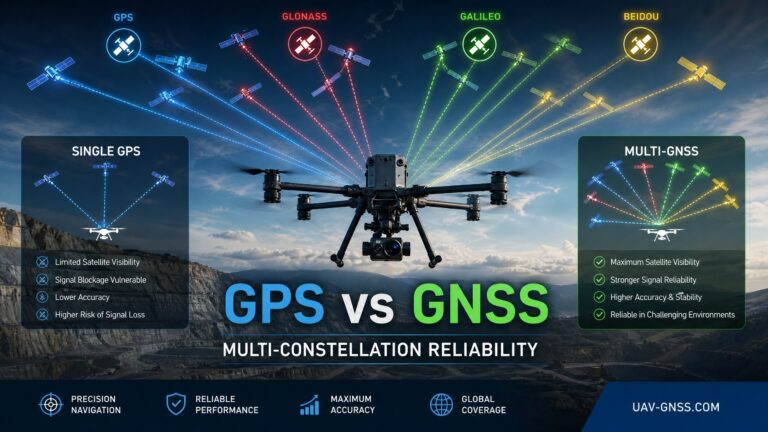
Beyond defense, the module delivers proactive precision. Its multi-constellation, multi-frequency engine enables fast, reliable centimeter-level Real-Time Kinematic positioning. This RTK GPS module performance allows drones to:

Execute automated, repeatable flight paths around complex structures with sub-decimeter precision.

Achieve rock-steady hovering for high-resolution visual or thermal imaging of specific components.

Generate highly accurate 3D models and point clouds for digital twin creation and deformation analysis.

Designed for Harsh Environment Endurance

Inspection drones face vibration, rapid temperature shifts, and long mission times. The mosaic-X5 is built to endure:

LOCK+ Technology: Maintains satellite signal tracking lock during high vibration from motors or windy conditions.

Ruggedized Design: Operates across an extreme temperature range (-40°C to +85°C) and complies with MIL-STD-810G vibration standards.

Ultra-Low Power Consumption: At a typical 0.6W, it maximizes valuable drone flight time for extended inspection sorties.

Empowering the Inspection Workflow: From Data Collection to Decision Making

Integrating the Septentrio mosaic-X5 creates a seamless, high-fidelity data pipeline:

Automated, Repeatable Missions: Drones can be programmed to fly identical corridors months or years apart. The receiver’s precision ensures data is collected from the exact same vantage points, enabling accurate change detection and trend analysis for predictive maintenance.

Pinpoint Defect Localization: When a sensor detects a fault—a hot spot, a vibration anomaly, or a visual defect—the Septentrio mosaic-X5 provides its precise WGS84 coordinates. Maintenance crews can be dispatched directly to the exact pole, span, or component, drastically reducing diagnostic time and cost.

Seamless GIS Integration: The survey-grade geotags on all collected data (imagery, LiDAR, sensor logs) ensure flawless import into industry-standard GIS and asset management software, turning raw data into actionable intelligence within existing utility workflows.

Open Ecosystem Compatibility: The receiver’s standard protocols (NMEA, RTCM, SBF) and available ROS drivers allow for straightforward integration with popular open-source flight stacks like PX4 and ArduPilot. This enables drone OEMs and inspection service providers to rapidly develop and deploy specialized inspection platforms without being locked into proprietary ecosystems.

Conclusion: Building Trust in Autonomous Inspection

The future of infrastructure management is autonomous, data-driven, and predictive. Drones are at the forefront of this transformation. By choosing the Septentrio mosaic-X5 as their navigational heart, inspection drone providers do more than select a component; they embed a principle of operational resilience. This Resilient GNSS board ensures that drones can see, navigate, and collect data with integrity, even when the radio spectrum around them is contested. It is the essential technology that allows the industry to move beyond demonstrations to deploying trusted, scalable, and truly autonomous inspection systems that safeguard our critical infrastructure.

Addressing Practical Deployment Scenarios

Q1: We inspect high-voltage power lines where EMI is extreme. How does the mosaic-X5 specifically handle the broadband noise generated by corona discharge and alternating current?

A1: This is where the hardware-software synergy of the AIM+ system is critical. The receiver’s high-dynamic-range RF front-end is designed to resist saturation from strong, nearby noise sources. The AIM+ software then characterizes this broadband interference in real-time. It employs advanced wideband suppression algorithms that adapt to the noise profile, effectively “cleaning” the GNSS signal bands to allow satellite tracking to continue. This Anti Jamming GNSS capability is why the mosaic-X5 can operate reliably in proximity to assets that would incapacitate a standard drone receiver.

Q2: For long-linear asset inspections (e.g., pipelines in remote areas), RTK correction coverage may be unavailable. Can we still achieve the necessary accuracy?

A2: Absolutely, through Post-Processed Kinematic workflows. The mosaic-X5 excels in PPK mode. The drone and a temporary ground base station (which could be a rugged unit like the AsteRx SB) both record raw GNSS observation data during the flight. After the mission, these data files are processed together using software like Septentrio’s PP-SDK or third-party tools. This delivers centimeter-accurate trajectory and image coordinates without any real-time data link, making it ideal for remote pipeline, railway, or border fence inspections.

Q3: How does the integration of this high-end receiver with a flight controller like PX4 work in practice? Is it complex?

A3: Integration is designed to be straightforward. For basic positioning and navigation, the mosaic-X5 can be configured to output standard NMEA messages over a serial (UART) connection, which PX4 reads natively. For advanced functionality—like injecting RTCM corrections for RTK, or logging raw data for PPK—Septentrio provides clear documentation and configuration tools (RxTools, WebUI). For developers building sophisticated inspection suites, the available ROS driver allows the rich data stream (position, integrity flags, interference reports) to be easily utilized by other onboard processes, all while working in tandem with the PX4 flight controller.

无人机


Similar Posts