High-Precision GNSS Technology Empowering Modern Power Inspection
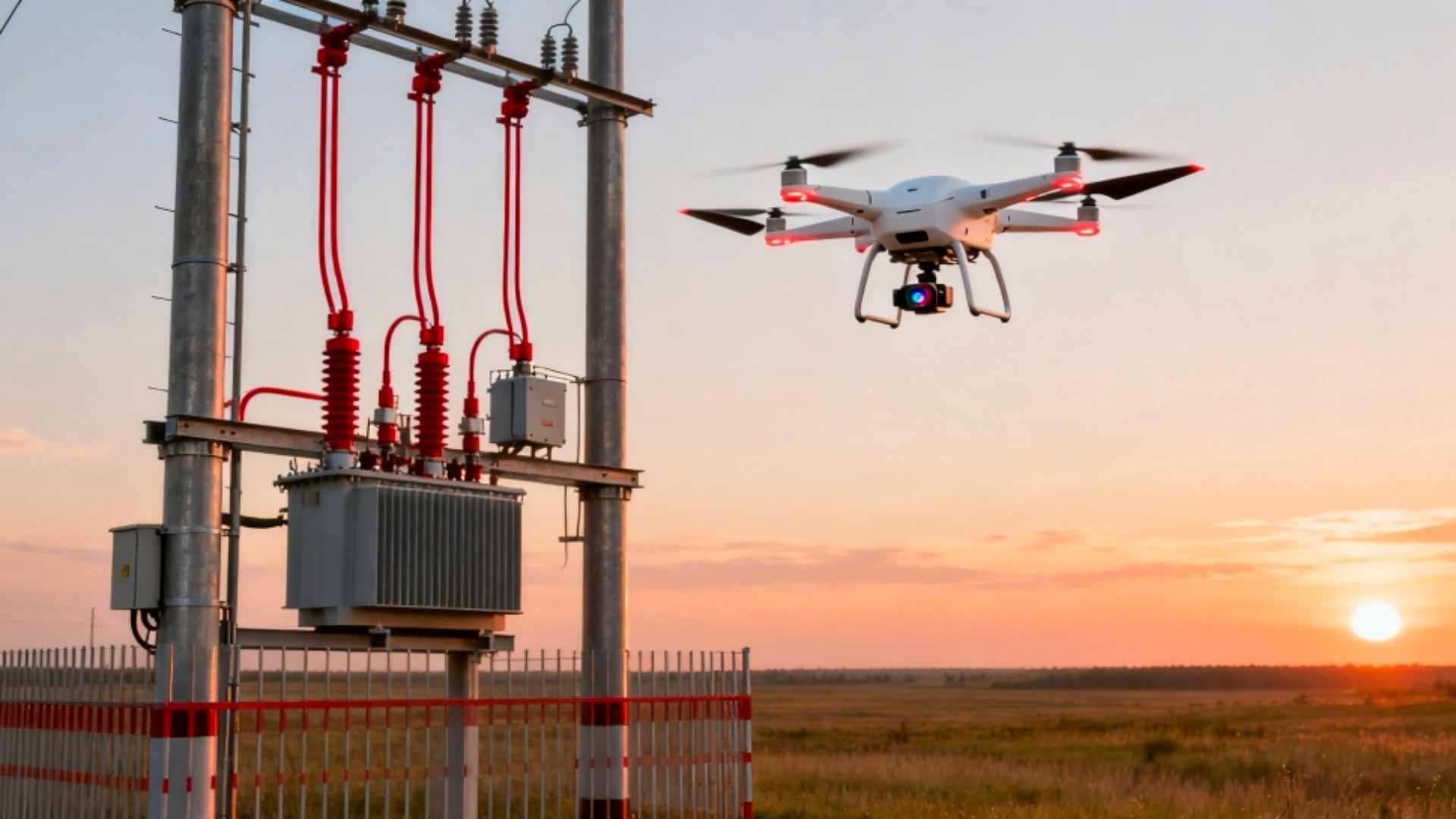
In modern power inspection operations, drones have evolved from auxiliary tools into efficient and precise platforms for inspection and data collection. Key tasks such as detailed mapping of transmission lines, defect localization, 3D modeling, and autonomous inspections place extremely high demands on positioning accuracy. Traditional meter-level or decimeter-level precision can no longer meet the three core requirements of power inspection: data accuracy, operational efficiency, and safety management.
Why Is Centimeter-Level GNSS Accuracy Crucial for Power Inspection?
A positioning deviation of 1–2 centimeters can lead to errors in tower coordinates, inaccuracies in line sag calculations, or misalignment in defect localization, affecting the precise identification of hazards and maintenance decisions. These seemingly minor errors may reduce the reliability of inspection data and increase operational costs and safety risks. Accurate GNSS positioning is the key technological foundation for ensuring reliable data, efficient operations, and scientific analysis in drone-based power inspection.
Core Advantages of the Septentrio mosaic-G5 P1 GNSS Receiver
The mosaic-G5 P1 is not just a navigation module but a high-precision spatiotemporal positioning system specifically designed for power inspection drones. Its design philosophy is to deliver reliable centimeter-level positioning capabilities within an extremely compact form factor, making it particularly suitable for stable operation in high-voltage electromagnetic environments, complex terrains, and long-distance transmission line inspections.
Full-Constellation Multi-Frequency GNSS Performance for Complex Inspection Environments
Despite its compact size of 22.8 × 16.4 × 2.4 mm, the mosaic-G5 P1 features:
-789 hardware channels for simultaneous tracking of all visible satellite signals
-Support for GPS, GLONASS, BeiDou, Galileo, and QZSS full constellations
-Triple-frequency tracking (L1/L2/L5 bands) to enhance signal lock robustness
-Stable positioning in complex electromagnetic and terrain environments such as mountains, forests, urban canyons, and high-voltage corridors
GNSS+ Technology Ensures Reliable Operation in Interference-Prone Environments
Septentrio’s proprietary GNSS+ technology suite ensures signal integrity under actual inspection conditions, including high-voltage electromagnetic interference and multipath reflections:
-AIM+ Basic: Interference and spoofing signal detection and manual suppression, effectively countering strong electromagnetic interference from high-voltage transmission lines
-APME+: Multipath mitigation to reduce interference from reflected signals from towers, buildings, and the ground
-LOCK+: Maintains stable tracking under high vibration and mechanical shocks, meeting the demands of drone operations in strong winds or during rapid maneuvers
-RAIM+: Receiver Autonomous Integrity Monitoring provides positioning reliability indicators, ensuring the trustworthiness of critical data
These technologies collectively enable sustained and reliable centimeter-level RTK positioning accuracy:
-Horizontal accuracy: 0.6 cm + 0.5 ppm
-Vertical accuracy: 1.0 cm + 1 ppm
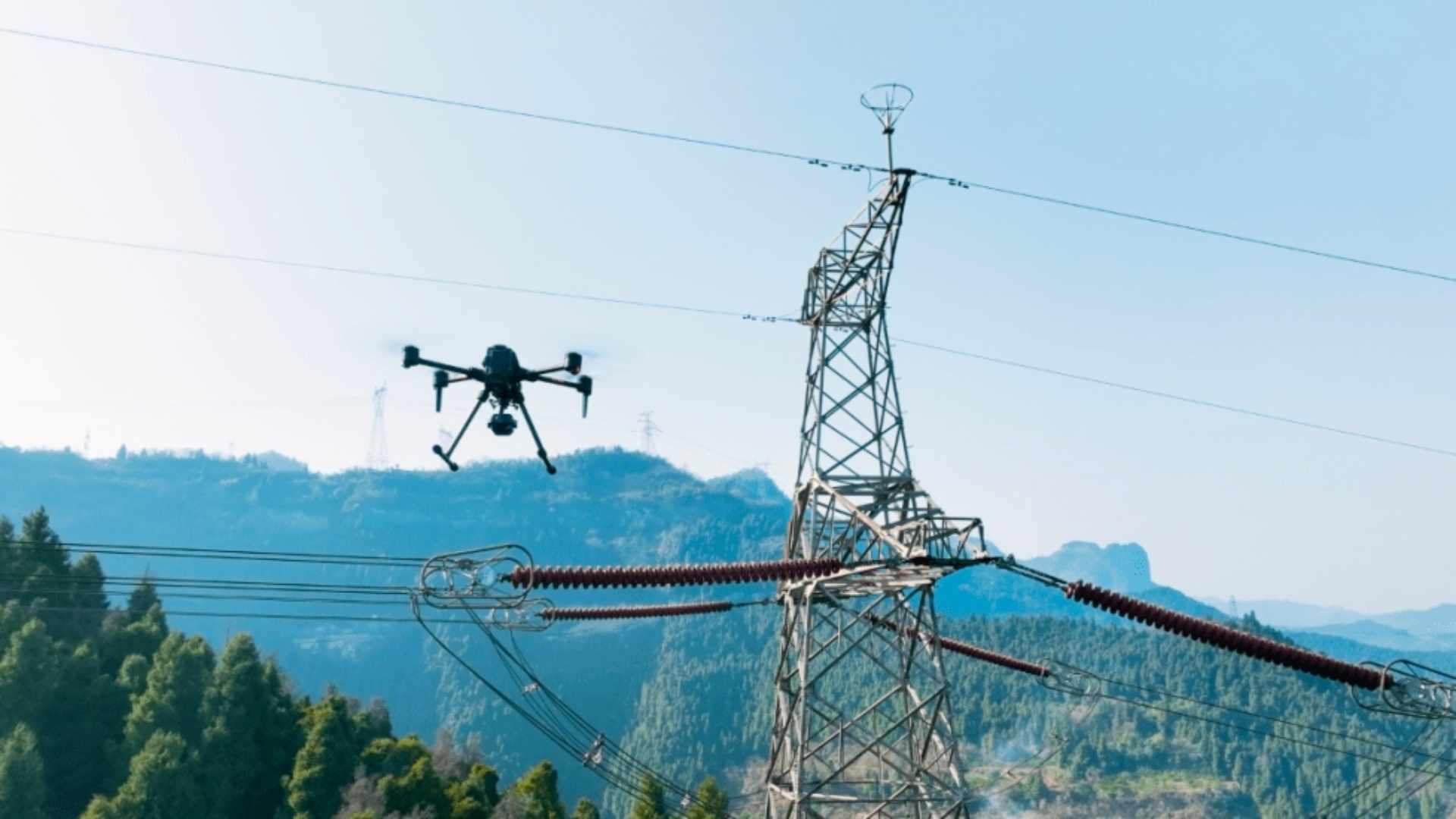
Integration Advantages of mosaic-G5 P1 in Power Inspection Drone Platforms
High-Precision Autonomous Inspection and Detailed Mapping
The mosaic-G5 P1 supports an update rate of up to 5 Hz and a latency of <10 ms, ensuring centimeter-level trajectory control for drones during autonomous flights and data collection. This provides a reliable spatial reference for detailed tower modeling, conductor measurements, and precise defect localization.
Low Power Consumption and Extended Flight Time
With a typical power consumption of only 0.44 W and a maximum of 0.57 W, it significantly extends the drone’s flight time per inspection mission, making it suitable for continuous inspection tasks over long-distance and large-scale transmission lines.
Strong Electromagnetic Environment Adaptability and High Reliability
Operating temperature range of -40°C to +85°C and compliance with MIL-STD-810H vibration and shock standards enable adaptability to outdoor environments such as high heat, extreme cold, humidity, and dust. It also maintains stable positioning near high-voltage transmission lines under strong electromagnetic interference.
Fast Startup and Efficient Operations
Cold start time <35 seconds, hot start <10 seconds, and reacquisition time of just 1 second enhance field response speed and inspection efficiency.
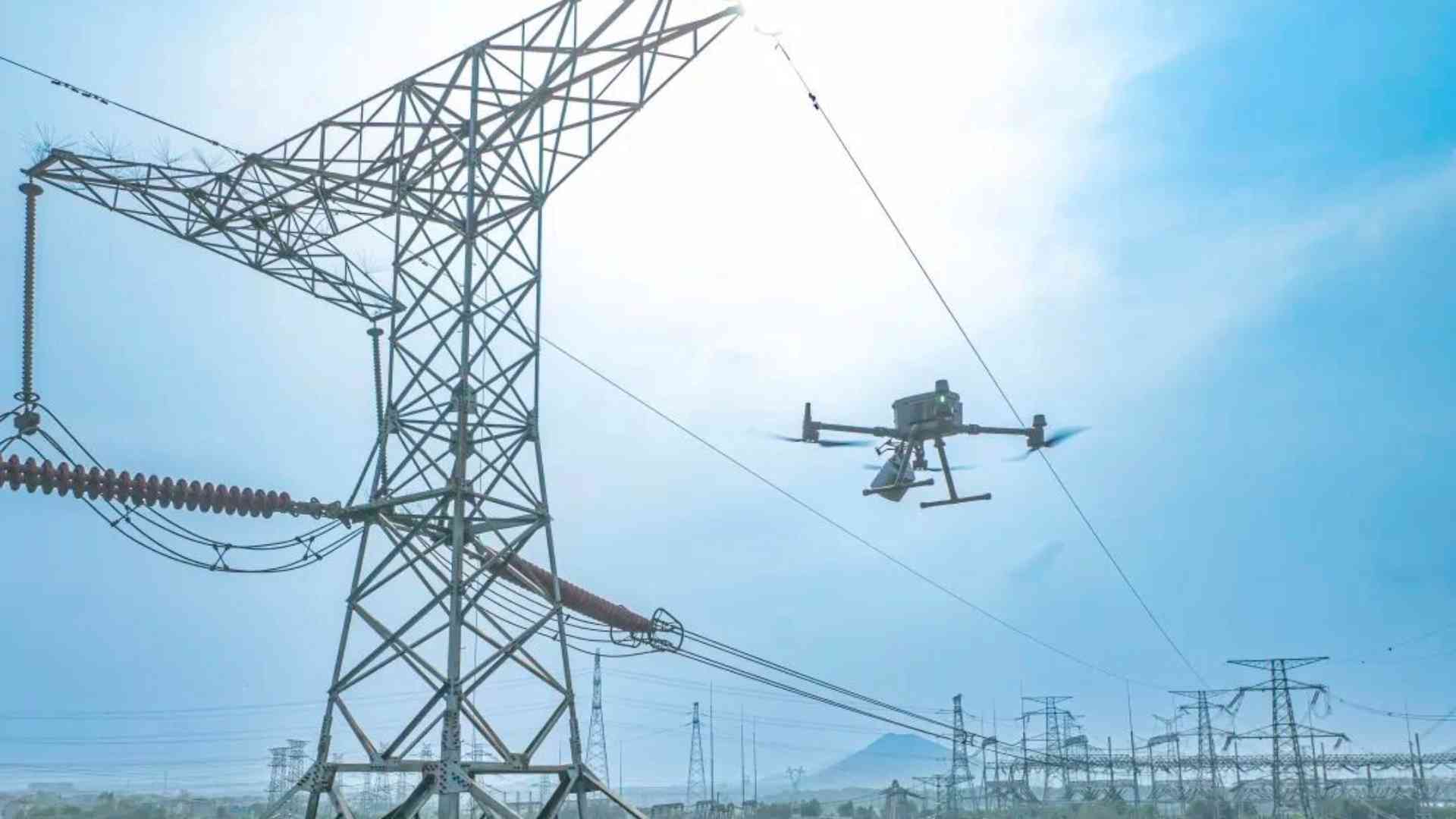
The mosaic-G5 P1: The Precision Positioning Foundation for Power Inspection Drones
Improved Data Accuracy and Inspection Efficiency
Centimeter-level positioning accuracy ensures high credibility of inspection data (e.g., tower coordinates, conductor sag, defect locations), providing precise spatial information support for digital grids and intelligent maintenance.
Easy Integration and Rapid Deployment
Complete interface documentation, SDK, and API support, along with compatibility with protocols such as SBF, NMEA, and RTCM, facilitate quick integration into various inspection drone platforms, reducing development cycles and integration costs.
Positioning Solutions for Intelligent Inspection
Choosing the mosaic-G5 P1 provides long-term stability and high-precision GNSS performance for power inspection drones, meeting the evolving needs of grid digitalization and intelligent inspection.
Which GNSS Receiver Is Most Suitable for Power Inspection Drones?
The Septentrio mosaic-G5 P1 GNSS receiver, with its centimeter-level RTK accuracy, robust anti-electromagnetic interference capabilities, ultra-low power consumption, and compact design, is ideal for integration into power inspection drones to address the complex electromagnetic environments of high-voltage corridors and high-precision inspection requirements.
Why Do Power Inspection Drones Require Centimeter-Level GNSS Positioning?
Centimeter-level positioning is the foundation for ensuring precise transmission line tower coordinates, reliable defect locations, and accurate 3D models. It directly impacts the validity of inspection data, the accuracy of hazard identification, and the scientific basis for subsequent maintenance decisions.
How Does AIM+ Technology Assist Power Inspection?
AIM+ Basic effectively detects and suppresses strong electromagnetic interference and potential spoofing signals generated by high-voltage transmission lines, ensuring reliable GNSS reception in complex electromagnetic environments. This safeguards the continuity of drone inspection operations and the security of positioning data.
How Does mosaic-G5 P1 Enhance the Operational Efficiency of Power Inspection Drones?
Its low power consumption (0.44 W typical) extends drone flight time, covering longer inspection distances. Fast startup and high update rates support efficient data collection. Strong environmental adaptability ensures stable operation under various outdoor conditions, collectively improving inspection efficiency and coverage.
Summary
-Septentrio mosaic-G5 P1 provides centimeter-level RTK positioning for power inspection drones, ensuring inspection data accuracy.
-789-channel full-constellation multi-frequency tracking ensures stable signals in complex terrain and electromagnetic environments.
-Integration of GNSS+ technologies such as AIM+ Basic, APME+, LOCK+, and RAIM+ effectively counters high-voltage interference, multipath effects, and vibration impacts.
-Ultra-low power consumption and compact design facilitate drone integration and extended flight time.
-Wide operating temperature range and high-reliability design meet the demanding outdoor environmental requirements of power inspection.