-

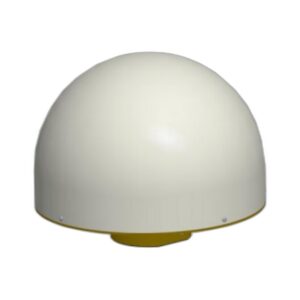
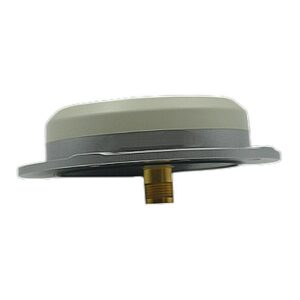
The EV106 GNSS Choke Ring Antenna is a professional-grade, multi-system, full-frequency geodetic reference station antenna featuring a miniaturized 3D choke structure design — covering BeiDou B1/B2/B3, GPS L1/L2/L5, GLONASS L1/L2/L3, Galileo E1/E5a/E5b/E6, and L-Band in a single high-performance antenna element. Designed for CORS networks, geodetic survey reference stations, earthquake monitoring systems, bridge and infrastructure deformation monitoring, dock automation, and global navigation satellite system reference infrastructure, the EV106 delivers the phase center stability, multipath suppression, and signal integrity performance required by the most demanding geodetic and precision positioning applications.
The EV106’s defining advantage over conventional choke ring antennas is its miniaturized 3D choke design — achieving the full multipath suppression performance of a traditional large choke ring antenna in a more compact, lighter structure. With phase center error of ±1mm, maximum gain of 6dBi, and a high-gain LNA delivering 50±2dB on both L1 and L2 bands, the EV106 supports cable runs of up to 100 meters between antenna and receiver — enabling flexible reference station installation on towers, rooftops, and remote monuments without signal degradation. IP67 waterproof and dustproof construction ensures continuous unattended outdoor operation for years.
-
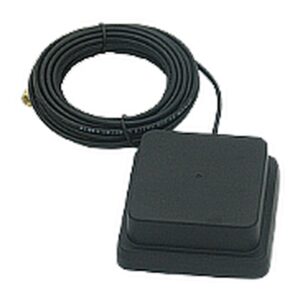
The EV220 is a professional-grade, multi-frequency, four-system drone GNSS antenna supporting GPS L1/L2, BeiDou B1/B2/B3, GLONASS G1/G2/G3, and Galileo E1/E5b/E6 — with a flat panel-mount form factor measuring just 49.8 × 38mm and a pre-fitted 600mm SMA pigtail cable. Designed specifically for lightweight UAVs, agriculture drones, aerial photography platforms, telemetry systems, traffic patrol, disaster monitoring, public security monitoring, power line patrol, and surveying applications, the EV220 delivers broad four-system multi-frequency GNSS signal coverage with an ultra-low noise figure of 1.3dB — in a flat, discreet, airframe-integrated antenna package that minimizes aerodynamic profile and weight impact.
The EV220’s flat panel geometry — secured by four M3.2 corner mounting holes on a 40 × 40mm bolt pattern — integrates flush with drone top plates, survey vehicle rooftops, and compact UAV airframes where a protruding cylindrical antenna would create unacceptable aerodynamic drag or mechanical interference. The 600mm pre-fitted SMA pigtail cable provides routing flexibility for clean, vibration-managed cable management inside drone enclosures and vehicle-mounted installations, eliminating the connector stress that direct-mount antennas impose on autopilot SMA ports during vibration and thermal cycling.
-
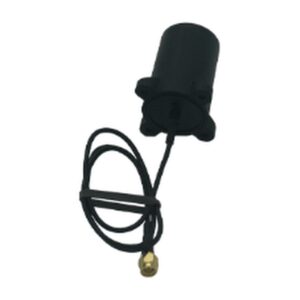
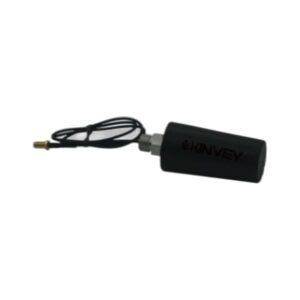
The EV006 is a compact, multi-frequency, multi-system handheld GNSS antenna supporting GPS L1/L2, BeiDou B1/B2/B3, and Galileo E1/E5b — designed for surveying and mapping handhelds, tablet computers (PADs), high-precision UAV positioning, disaster monitoring, traffic patrol, remote telemetry, and public security monitoring applications. With a slim bending structure measuring just Φ27.5 × 107.5mm, SMA male screw mount, and IP67 waterproof rating after installation, the EV006 combines professional multi-frequency performance with the portability and ruggedness demanded by field survey professionals and mobile precision applications.
The EV006 delivers 2.5dBi maximum gain with a wide beam width and strong low elevation angle signal reception — enabling reliable satellite tracking even in partially obstructed environments including urban survey sites, forest canopy, and disaster monitoring locations where full sky visibility is limited. The integrated 33±2dB LNA with noise figure of 1.5dB or less ensures clean signal amplification across all supported frequency bands, while high out-of-band suppression protects against interference from cellular base stations and other RF sources common in field survey environments.
-
The EV210 is a professional-grade, multi-frequency, four-system drone GNSS antenna supporting GPS L1/L2, BeiDou B1/B2/B3, GLONASS G1/G2, and Galileo E1 — designed specifically for lightweight UAVs, agriculture drones, aerial photography platforms, telemetry systems, traffic patrol, disaster surveillance, public security monitoring, power line patrol, and vehicle-mounted positioning applications. At just Φ27.5 × 57.6mm with an SMA male connector and rubber pad base, the EV210 is one of the most compact multi-frequency drone GNSS antennas available — engineered to deliver professional four-system signal coverage with minimum weight, size, and aerodynamic impact on the platforms it serves.
With wide beam width for strong low-elevation satellite reception, 33±2dB LNA gain with an exceptionally low noise figure of 1.3dB or less, high out-of-band interference rejection, and IP67 waterproof rating after mounting, the EV210 provides the signal integrity and environmental resilience that lightweight UAV operations demand. The rubber pad base and SMA-J screw mount ensure secure, vibration-resistant installation on drone top plates, masts, and vehicle rooftops — maintaining antenna position and orientation through the continuous vibration, rapid maneuvers, and dynamic loading of real-world UAV field operations.
-
The EV288 is a professional-grade, full-frequency, multi-system GNSS antenna supporting GPS L1/L2/L5, BeiDou B1/B2/B3, GLONASS L1/L2/L3, Galileo E1/E5a/E5b/E6, and L-Band — engineered for high-precision automated agricultural machinery, autonomous vehicles, and high-precision UAVs. Specifically designed for the most demanding field conditions encountered by precision tractors, plant protection machines, cultivators, harvesters, unmanned delivery vehicles, self-driving trucks, autonomous buses, and plant protection drones, the EV288 delivers the broadest full-frequency multi-constellation GNSS signal coverage available in a rugged field-grade antenna platform.
The EV288 is certified to Chinese national standards for vibration (GB/T 2423.100), mechanical impact (GB/T 2423.5), and salt spray corrosion resistance (GB/T 2423.18) — and withstands 3-meter free-fall drops — making it one of the most comprehensively field-validated GNSS antennas available for agricultural machinery and industrial autonomous vehicle applications. With 3.5dBi maximum gain, ultra-low 1.3dB noise figure, 33±2dB LNA gain, 5/8″×11 imperial thread mount, 650mm SMA-K cable, and IP67 waterproofing, the EV288 is built to deliver reliable, accurate GNSS performance throughout years of harsh agricultural and industrial field deployment.
-
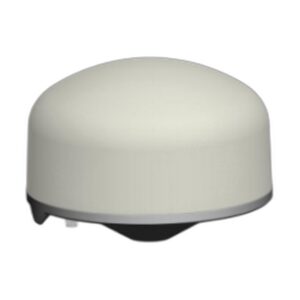
The EV108 is a professional-grade, multi-frequency, four-system aviation GNSS antenna supporting GPS L1/L2/L5, BeiDou B1/B2/B3, GLONASS G1/G2/G3, Galileo E1/E5b/E6, and L-Band — designed specifically for UAV precision positioning, agricultural drone applications, aerial photography, telemetry systems, disaster surveillance, power line patrol, security monitoring, and aerospace tracking applications. At just 60 grams and Φ90 × 24.6mm, the EV108 delivers professional multi-system multi-frequency GNSS performance in one of the most weight-efficient and compact aviation antenna form factors available for UAV integration.
With a wide beam width for strong low-elevation satellite signal reception, 36±2dB LNA gain with noise figure of 2dB or less, high out-of-band interference rejection, O-Ring sealed IP67 waterproofing (IP65 as a standalone antenna), and TNC-K connector for secure vibration-resistant mounting, the EV108 is engineered to meet the reliability, accuracy, and environmental resilience demands of commercial UAV operations in the most challenging field environments — from agricultural fields to disaster zones, power line corridors, and coastal surveillance missions.
-
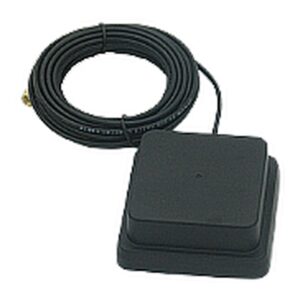
The EV226 is a high-precision, multi-frequency, four-system vehicle GNSS antenna supporting GPS L1/L2/L5, BeiDou B1I/B2I/B2A, GLONASS G1/G2, Galileo E1/E5b/E6, and L-Band — designed specifically for unmanned delivery vehicles, self-driving trucks, autonomous buses, self-driving taxis, and unmanned and unpiloted vehicle platforms requiring reliable, high-accuracy GNSS positioning in demanding road environments. With a compact 75 × 75 × 30mm body weighing just 70 grams, magnetic suction base for tool-free rooftop installation and repositioning, 3-meter RG174 SMA pigtail cable, IP67 waterproofing, and a wide operating temperature of -40°C to +95°C, the EV226 delivers the performance, convenience, and environmental resilience demanded by professional autonomous vehicle GNSS installations.
The EV226 achieves 4dBi maximum gain — higher than standard compact vehicle GNSS antennas — combined with wide beam width for strong low-elevation satellite signal reception, 33±2dB LNA gain, and high out-of-band interference rejection that maintains stable GNSS lock in the dense electromagnetic environments of urban roads, motorways, and industrial logistics facilities where autonomous vehicles operate daily.