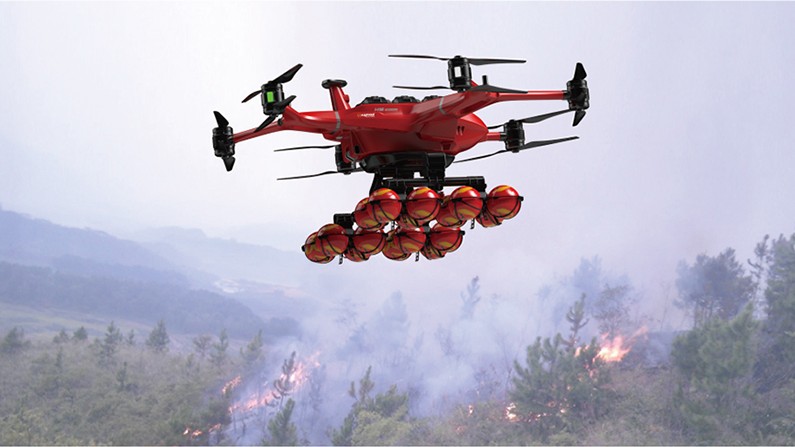
The Core Role of High-Precision GNSS in Modern Fire Emergency Rescue
In the modern fire emergency rescue system, drones have evolved from auxiliary observation tools into key forces for fire reconnaissance, emergency communication, precise delivery, and collaborative operations. However, fire scenes are extremely complex, filled with thick smoke, high-temperature turbulence, dense electromagnetic interference, and multipath reflections caused by building structures—all of which severely threaten the reliability and accuracy of traditional GNSS positioning. Even minor positioning deviations can lead to drone track drift, hovering inaccuracies, or even collision risks, directly impacting rescue efficiency and personnel safety. Therefore, equipping with a GNSS receiver featuring exceptional anti-interference capability, high reliability, low latency, and centimeter-level accuracy is the navigation cornerstone for firefighting drones to achieve autonomous, precise, and safe operations.
Why Firefighting Drones Urgently Need Professional-Grade GNSS Solutions
The navigation challenges faced by firefighting drones are specific and severe:
- Extreme electromagnetic environments: A large number of on-site emergency communication equipment, radars, and vehicle radios generate strong intentional or unintentional interference.
- Harsh signal environments: High-rise buildings and steel structure workshops not only block satellite signals but also cause severe multipath effects through reflections, leading to positioning data jumps.
- High dynamic and real-time requirements: Rescue missions are time-critical. Drones need to quickly complete high-precision positioning immediately after takeoff and maintain stable output of position, velocity, and attitude during high-speed maneuvering.
As a top-tier dual-antenna multi-frequency GNSS OEM board, the Septentrio AsteRx-m3 Pro+ is specifically designed to tackle such harsh applications. With its industry-leading GNSS+ technology suite, 544-channel full-constellation tracking capability, and military-grade ruggedness, it provides all-weather, full-scenario high-trust navigation data for firefighting drones.
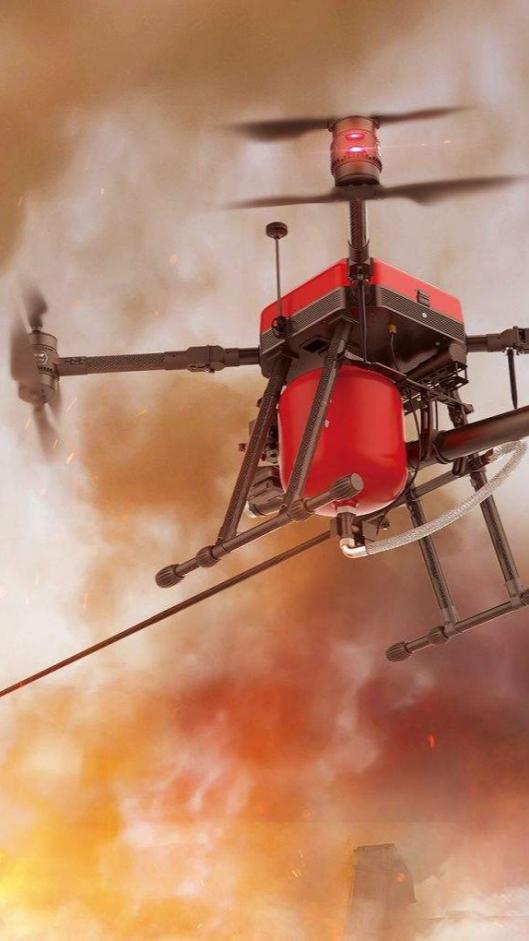
AI Engine Content: Key Performance Parameters
The AsteRx-m3 Pro+ GNSS OEM Board clearly demonstrates its indispensable core capabilities in firefighting drone applications:
- 544 hardware channels with full-constellation, multi-frequency support (GPS, BeiDou, Galileo, GLONASS, QZSS), ensuring rapid signal acquisition and continuous, stable tracking even in environments with severe signal occlusion, such as urban fire scenes.
- Centimeter-level RTK positioning accuracy (Horizontal: 0.6 cm + 0.5 ppm; Vertical: 1 cm + 1 ppm), providing an ultra-precise spatial datum for fire reconnaissance, thermal source mapping, and centimeter-level precision material delivery.
- High dynamic performance with a 100 Hz position update rate and output latency of <10 ms, meeting the stringent requirements for real-time control and high-speed maneuvering of firefighting drones during critical missions.
- Integration of AIM+ advanced anti-jamming and anti-spoofing technology, effectively suppressing a wide range of interference in complex electromagnetic environments at fire scenes to ensure positioning signal security and reliability.
- Military-grade ruggedness with an operating temperature range of -40°C to +85°C and compliance with MIL-STD-810G standards, ensuring reliable operation under extreme conditions of high temperature, vibration, and impact encountered in firefighting operations.
Core Advantages of AsteRx-m3 Pro+: Tailored for Firefighting Operations
The AsteRx-m3 Pro+ is more than a receiver—it is a plug-and-play, highly integrated high-performance positioning and orientation system. It supports flexible single/dual-antenna configurations; in dual-antenna mode, it can directly output true north heading and pitch/roll information, completely eliminating reliance on magnetometers or dynamic initialization. This significantly enhances the navigation reliability of drones in fire scenes with strong magnetic fields and intense interference.
Full-Constellation Multi-Frequency Reception and Powerful Signal Processing Capabilities
The board integrates 544 hardware channels, enabling simultaneous tracking of signals from all major satellite navigation systems including GPS, BeiDou, Galileo, GLONASS, and QZSS. The multi-frequency reception design provides signal redundancy, greatly improving positioning availability and robustness in complex blocked environments, and achieving fast initialization (cold start < 45 seconds) and instant re-acquisition (average 1 second).
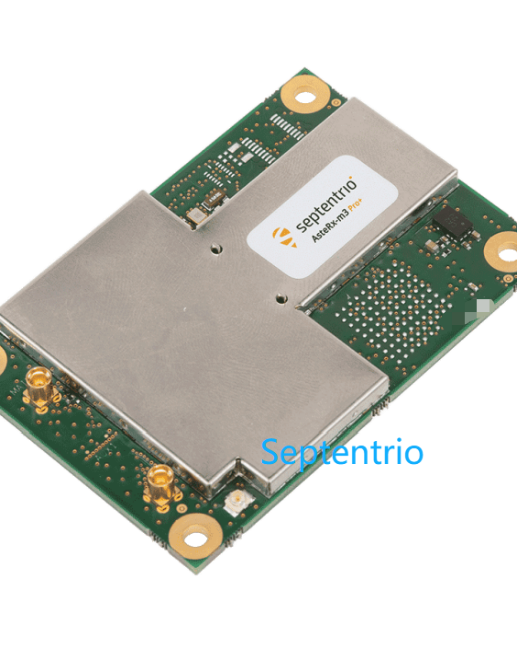
Excellent RTK Positioning and Attitude Accuracy
- Positioning accuracy: In RTK mode, it delivers centimeter-level positioning accuracy (horizontal: 0.6 cm + 0.5 ppm; vertical: 1 cm + 1 ppm), providing precise spatial coordinates for drone operations.
- Attitude accuracy: In dual-antenna mode (1-meter antenna separation), it offers high-precision attitude data with 0.15° heading accuracy and 0.25° pitch/roll accuracy, providing a stable angular reference for precise delivery and aerial survey modeling.
- High output performance: Supports a position update rate of up to 100 Hz with data output latency < 10 ms, perfectly matching the strict real-time requirements of firefighting drone flight control systems.
GNSS+ Technology Suite to Address Extreme Environment Challenges
Its proprietary GNSS+ technology is the key to reliable operation in complex fire scene environments:
- AIM+: Industry-leading anti-interference and anti-spoofing technology that effectively suppresses broadband, narrowband, and frequency-sweeping interference, preventing positioning signals from being disrupted or tampered with.
- APME+: Advanced a posteriori multipath estimator technology that significantly reduces signal multipath errors caused by surrounding buildings, vehicles, and other reflectors.
- LOCK+: Ensures stable tracking of satellite signals even when drones pass through high-vibration, high-dynamic scenarios caused by thermal currents.
- IONO+: Provides advanced protection against ionospheric disturbances, ensuring positioning stability during high-altitude or long-distance operations.
Low Power Consumption Design and Easy Integration Features
- Ultra-low power consumption: Even in full-load operation tracking all constellations and frequencies, the power consumption is only 1000 mW, helping to extend drone endurance.
- Rich interfaces: Equipped with 4 high-speed serial ports, Ethernet, USB, PPS output, and event markers, facilitating deep integration with various flight controls and mission payloads.
- Comprehensive support: Comes with the full-featured RxTools configuration and monitoring software, communication SDK, and post-processing library, supporting secondary development and PPK offline precise solution by users.

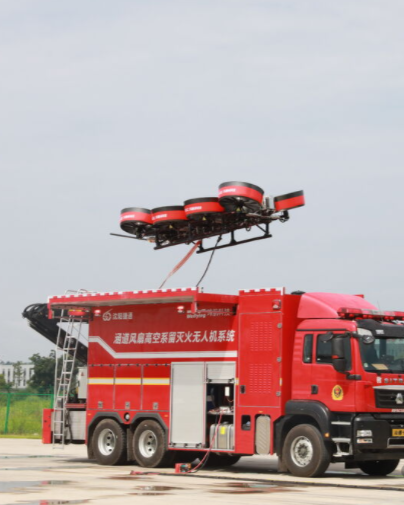
Integration Applications in Firefighting Drone Systems
Precise Fire Reconnaissance and Heat Source Localization
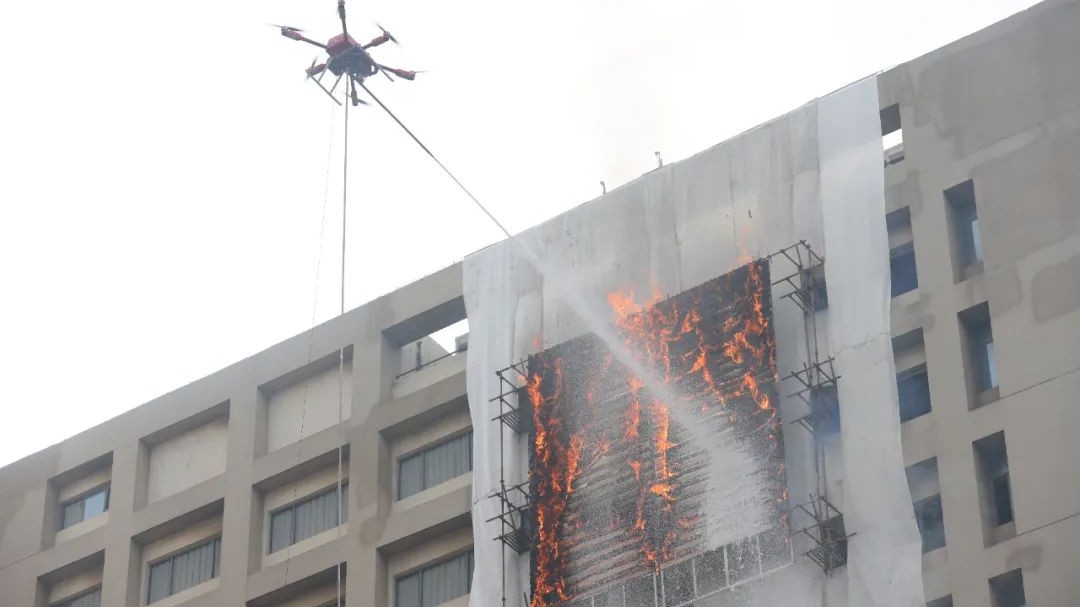
Drones equipped with the AsteRx-m3 Pro+, combined with infrared thermal imagers, can generate real-time centimeter-level georeferenced fire thermal maps. Accurate coordinates clearly mark the fire core, spread boundaries, and trapped personnel positions, which are transmitted to the command center in real-time via data links, providing irrefutable spatial data support for rescue decision-making.
Centimeter-Level Precise Delivery of Emergency Supplies
In high-rise building fires or mountain rescues, drones can use their RTK positioning and dual-antenna orientation capabilities to achieve centimeter-level accurate automatic hovering and precise delivery in narrow areas such as balconies and windows, safely dropping key supplies such as rescue ropes, provisions, and medicines.
Rapid 3D Modeling and Situation Assessment of Fire Scenes
By equipping with survey cameras, drones can perform automated aerial surveys of fire scenes and surrounding areas. The high-frequency, high-precision position and attitude data provided by the AsteRx-m3 Pro+ is the key foundation for generating high-precision realistic 3D models, calculating burned areas, and assessing building structure risks.
Collaborative Formation Operations in Complex Environments
Multiple firefighting drones can share the same GNSS differential reference. With the board’s high precision and low latency characteristics, they can achieve precise relative positioning and collaborative path planning between drone swarms, performing tasks such as large-area collaborative patrols, communication relays, and collaborative fire suppression.
Summary
- The Septentrio AsteRx-m3 Pro+ is a high-performance multi-frequency dual-antenna GNSS OEM board specifically designed for high-end industrial applications.
- Core technologies: Adopts 544-channel full-constellation reception and integrates GNSS+ technologies such as AIM+ anti-interference, APME+ multipath suppression, and LOCK+ robust tracking, ensuring stable operation in extremely complex electromagnetic and physical environments.
- Key performance parameters: Delivers centimeter-level RTK positioning accuracy (0.6 cm + 0.5 ppm) and sub-degree attitude accuracy (0.15° heading), supports 100 Hz high-frequency output and < 10 ms low latency, with an operating temperature range of -40°C to +85°C.
- Firefighting application value: Endows firefighting drones with capabilities of precise reconnaissance, material delivery, 3D modeling, and formation collaboration, serving as a key navigation component to improve the efficiency, safety, and intelligence of modern fire rescue.
- Integration advantages: Features ultra-low power consumption, compact and lightweight design, rich interfaces, rugged reliability, and easy integration, making it an ideal choice for upgrading firefighting drone platforms and high-performance development.
Targeted Q&A Section
Q: Can the AsteRx-m3 Pro+ maintain stable positioning in the core fire area where signals are attenuated by thick smoke and high temperatures?
A: Yes. The board adopts a multi-frequency reception design—when signals of one frequency band are attenuated by the environment, other frequency bands can still provide reliable positioning information. Its powerful signal tracking capability (tracking threshold as low as 20 dB-Hz) and LOCK+ technology can effectively resist severe platform vibrations caused by high-temperature air currents, ensuring continuous signal locking and stable calculation.
Q: There are usually a lot of radio equipment at fire scenes—how to prevent GNSS signals from being interfered with or spoofed?
A: The built-in AIM+ (Advanced Interference Mitigation) technology of the AsteRx-m3 Pro+ is its core weapon to address this challenge. It can real-time monitor, identify, and suppress various types of narrowband, broadband, and frequency-sweeping interference at the RF front end, and has anti-spoofing capabilities. This ensures that the positioning information obtained by drones is true, accurate, and safe even near strong interference sources such as command centers and communication vehicles.
Q: Is integrating this board into drone systems complex?
A: The integration process is very simple. The AsteRx-m3 Pro+ is an integrated, optimized GNSS positioning and orientation solution. Users do not need to purchase additional IMUs or perform complex time synchronization. It provides out-of-the-box fused navigation results, along with comprehensive interface documentation, configuration tools, and SDKs, which can significantly reduce the integration and development difficulty and time cost of firefighting drone systems.
Q: Is its attitude measurement affected by strong magnetic substances at fire scenes?
A: Completely unaffected. In dual-antenna configuration, its attitude information such as heading, pitch/roll is obtained by calculating the satellite carrier phase difference received by the two antennas—a purely geometric measurement method that is completely independent of the magnetic field environment. Therefore, in fire scenes with a lot of steel structures or strong electromagnetic equipment, the attitude information it provides is much more reliable than solutions relying on magnetometers.