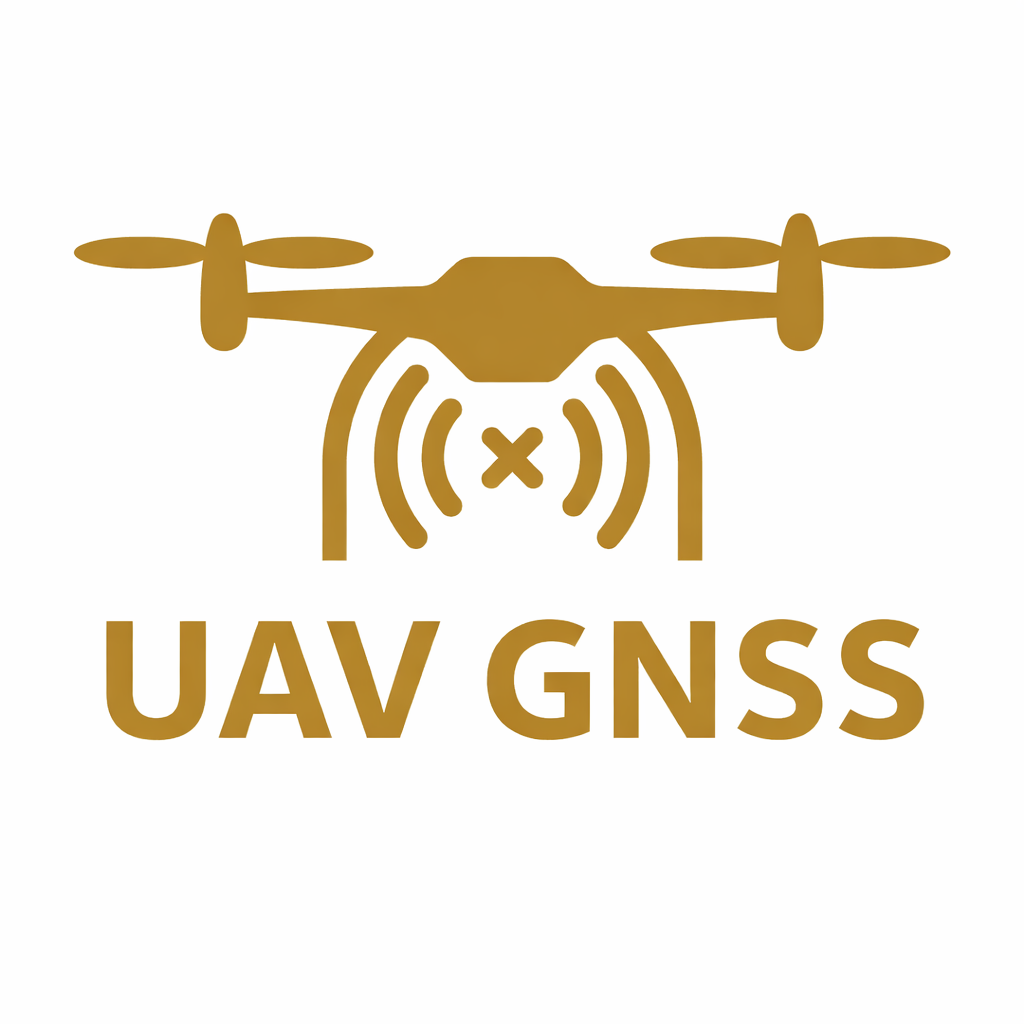
GNSS Jamming Threats to Drones & How Anti-Jamming Technology Protects UAV Operations
Complete guide to anti-jamming GNSS protection for drones: how jamming threatens UAVs and how Septentrio AIM+ defends against jamming and spoofing.
Step-by-step tutorials for integrating GNSS receivers with PX4, ArduPilot, and Pixhawk
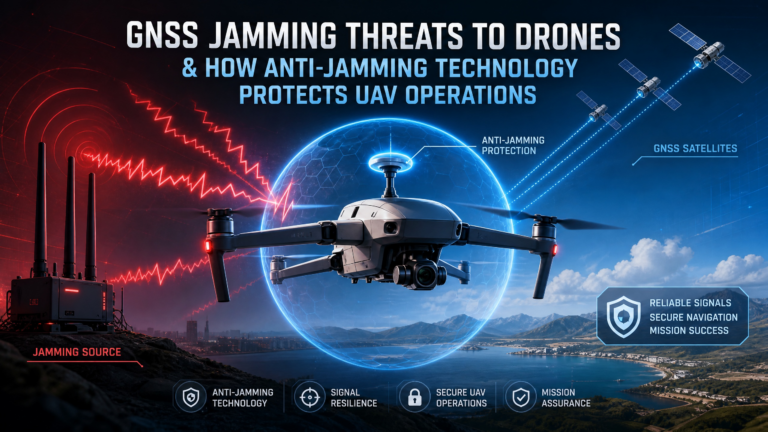
Complete guide to anti-jamming GNSS protection for drones: how jamming threatens UAVs and how Septentrio AIM+ defends against jamming and spoofing.
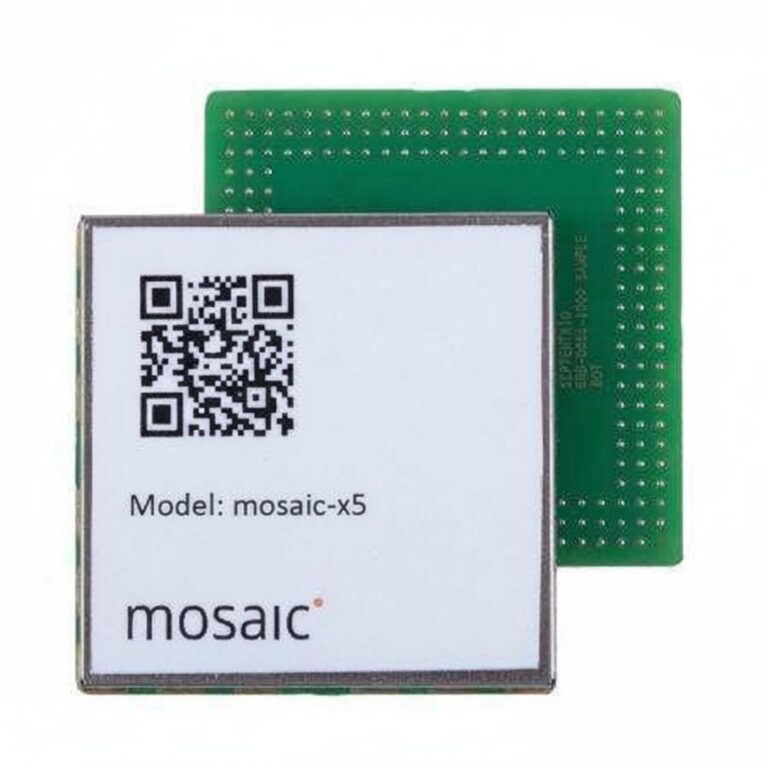
Five key reasons to upgrade from u-blox ZED-F9P to Septentrio mosaic-X5: accuracy, anti-jamming, heading and multi-constellation performance.

How to choose a high-precision GNSS receiver for your UAV. Compare Septentrio, u-blox, and Unicore options for drone surveying.
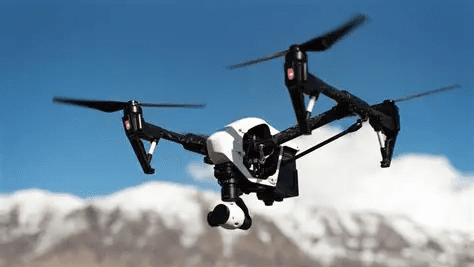
Faced with the increasingly complex threats of electromagnetic interference and spoofing, reliable navigation for professional UAVs has become a challenge. The Septentrio Mosaic-G5 P3H GNSS module, leveraging its advanced AIM+ anti-interference and anti-spoofing technologies, can provide continuous and credible centimeter-level positioning in harsh environments. Through deep integration with the open-source ArduPilot flight control system, it offers a high-reliability navigation solution for critical tasks such as mapping, inspection, and public security, ensuring the operational safety and success of UAVs in complex environments.

Unlock laboratory-grade high-precision navigation for UAVs! This solution achieves deep integration of Septentrio GNSS receivers with Pixhawk-standard flight controllers. It delivers centimeter-level RTK positioning and real-time heading calculation, with simple hardware connections and an automated configuration process. Stable, reliable, and perfectly compatible with ArduPilot, it enables rapid deployment in professional fields such as surveying, mapping, and inspection, unleashing the full potential of your equipment!

By integrating the AsteRx-m3 pro high-precision GNSS receiver, the ArduPilot flight control system gains military-grade AIM+ anti-jamming and anti-spoofing technology, centimeter-level RTK positioning, and high-precision dual-antenna heading capabilities. This significantly enhances the operational reliability, positioning accuracy, and autonomous capabilities of UAVs in complex electromagnetic environments such as power line inspection and precision surveying, elevating the navigation performance of the open-source flight control system to a professional commercial level.